

So you’ve decided to track how much energy your HVAC system consumes in order to increase the system’s energy efficiency — great! But how will you do it? There are multiple methods that can be used to measure thermal energy in hydronic systems. We’ve outlined several methods below to make it easier for you to select the best technology for your application.
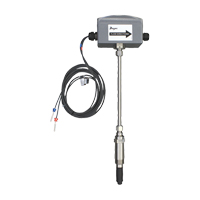
 Measuring thermal energy requires three components: a fluid flow sensor, two temperature sensors (one for inlet temperature, one for outlet temperature), and a calculator. Although thermal energy can technically be measured without a calculator, doing an energy calculation by hand is very complex and can introduce manual calculation error into the measurement. For that reason, we recommend incorporating a calculator into your system for the most accurate energy measurements. This calculator can be either an independent BTU controller, part of your building management system, or integral to a complete thermal energy system. A complete system includes a flowmeter, temperature sensors, and a calculator that are all calibrated together, eliminating the need for multiple pieces of equipment. Continue reading “Measuring Thermal Energy in Hydronic Systems”
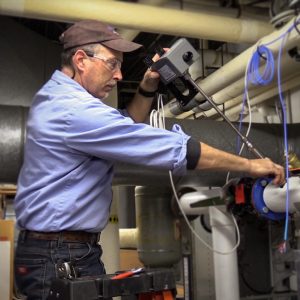
 These days, energy conservation is on everyone’s mind. From cost savings to environmental concerns, there are many well-known benefits to conserving energy. But understanding exactly how to do so can be confusing. In order to conserve energy, you must know precisely how much energy you are using.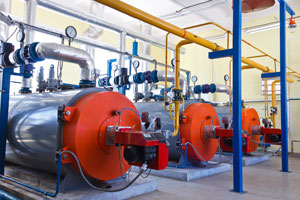
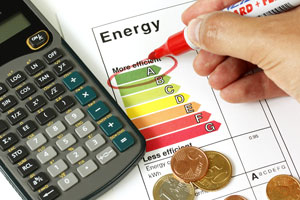 Energy costs are rising around the world. In the United States, the cost of electricity, natural gas, and coal are all expected to increase in 2020.
 What comes to mind when you think of the phrase “energy efficient?” Perhaps you think of LED light bulbs, electric cars, Energy Star appliances, or LEED-certified buildings. But energy efficiency isn’t limited to “green” products or certifications.