 There are a wide variety of technologies that can be used for fluid flow measurement, such as differential pressure, paddlewheel, electromagnetic, and ultrasonic. Furthermore, each technology has multiple installation configurations. It is important to understand the nuances of different technologies and installations in order to pick the right flowmeter for your application.
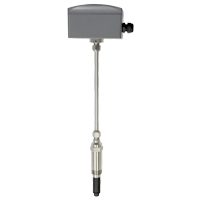
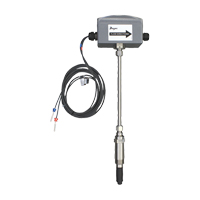
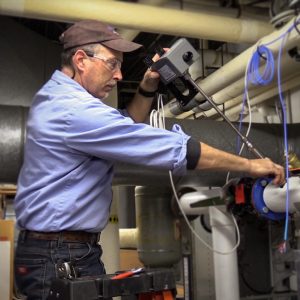
When purchasing a flowmeter for an HVAC application, such as boiler feed water monitoring or chilled/condenser water monitoring, we found that our customers value the ability to hot-tap (or pressure tap) a pipe to install an insertion flowmeter. This is done by installing an isolation valve in a pipe, allowing an insertion flowmeter to be placed into and removed from a live system without having to drain it. Draining a system is time consuming, costly, and generally not a good option for HVAC systems in buildings because it requires the entire system to be shut down. Permanently installing a hot-tap valve followed by an insertion flowmeter (with hot-tap capability) is an ideal alternative to a costly inline meter.
When considering an insertion flowmeter for an HVAC application, there are four key sources of error to be aware of: Continue reading “How the Dwyer Series IEF and IEFB Overcome Typical Sources of Error”
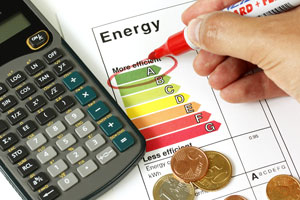 Energy costs are rising around the world. In the United States, the cost of electricity, natural gas, and coal are all expected to increase in 2020.
 What comes to mind when you think of the phrase “energy efficient?” Perhaps you think of LED light bulbs, electric cars, Energy Star appliances, or LEED-certified buildings. But energy efficiency isn’t limited to “green” products or certifications.
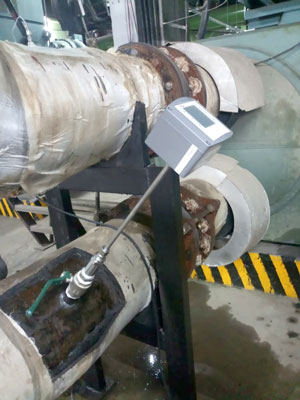 We recently met with a customer in India who needed to replace a flowmeter in an Energy Monitoring System (EMS) application in a commercial shopping mall.