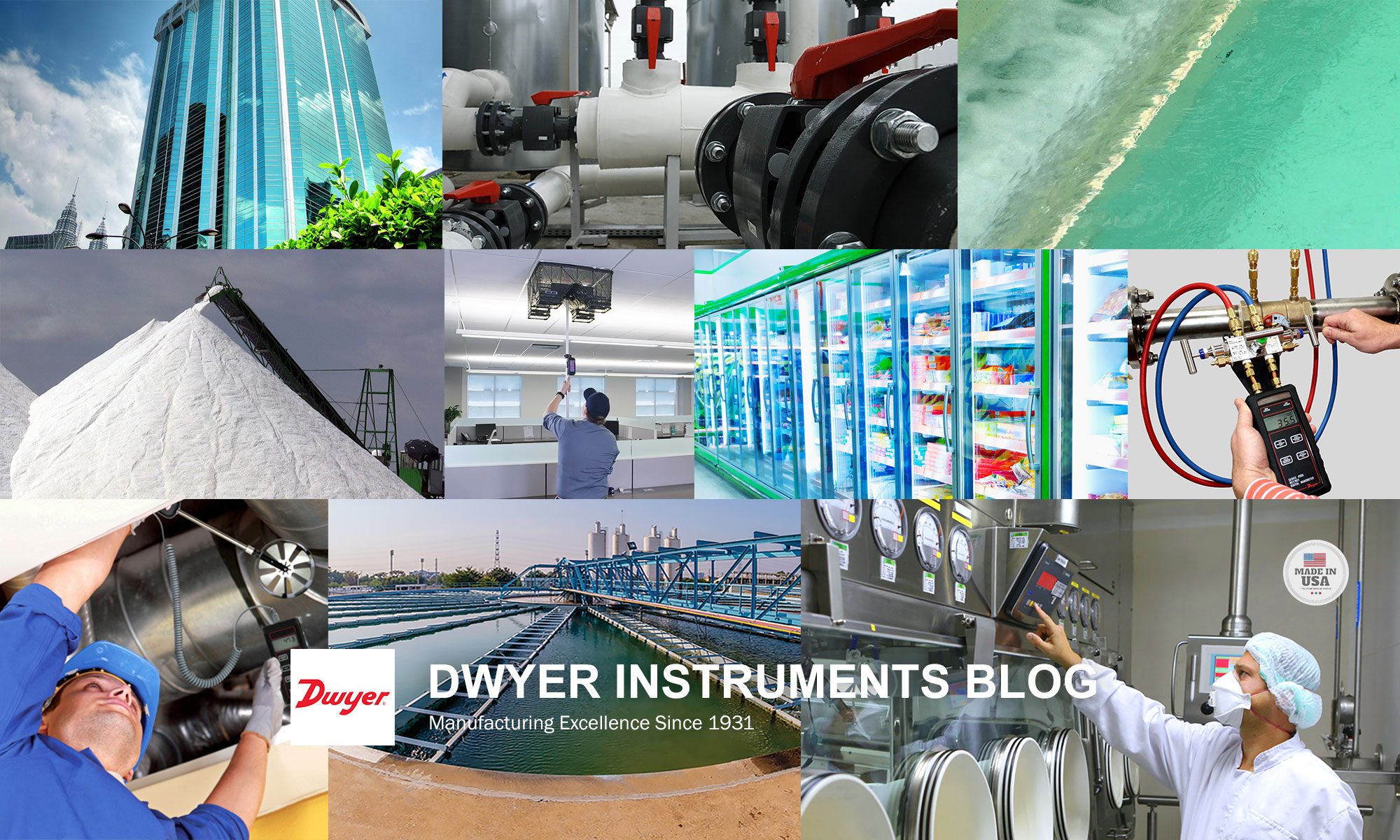
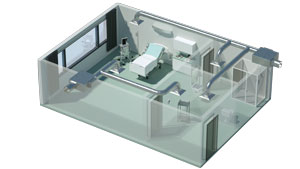
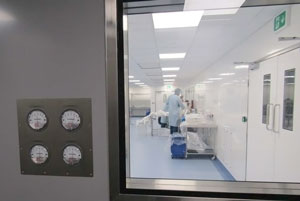
The purpose of a healthcare isolation room is to prevent patients with contagious illnesses from spreading to others or to keep immunocompromised patients safe from exposure to airborne pathogens. As such, there exist two types of isolation rooms, either positively or negatively pressurized.
Positive pressure isolation rooms are designed to keep pathogens and outside air from entering the room, i.e. air inside the room is forced outward and is typically used for immunocompromised patients. Like clean rooms, it is important to maintain proper positive pressure within the protective isolation room to keep the patients safe. Continue reading “Importance of Sensor Stability in Healthcare Isolation Rooms”
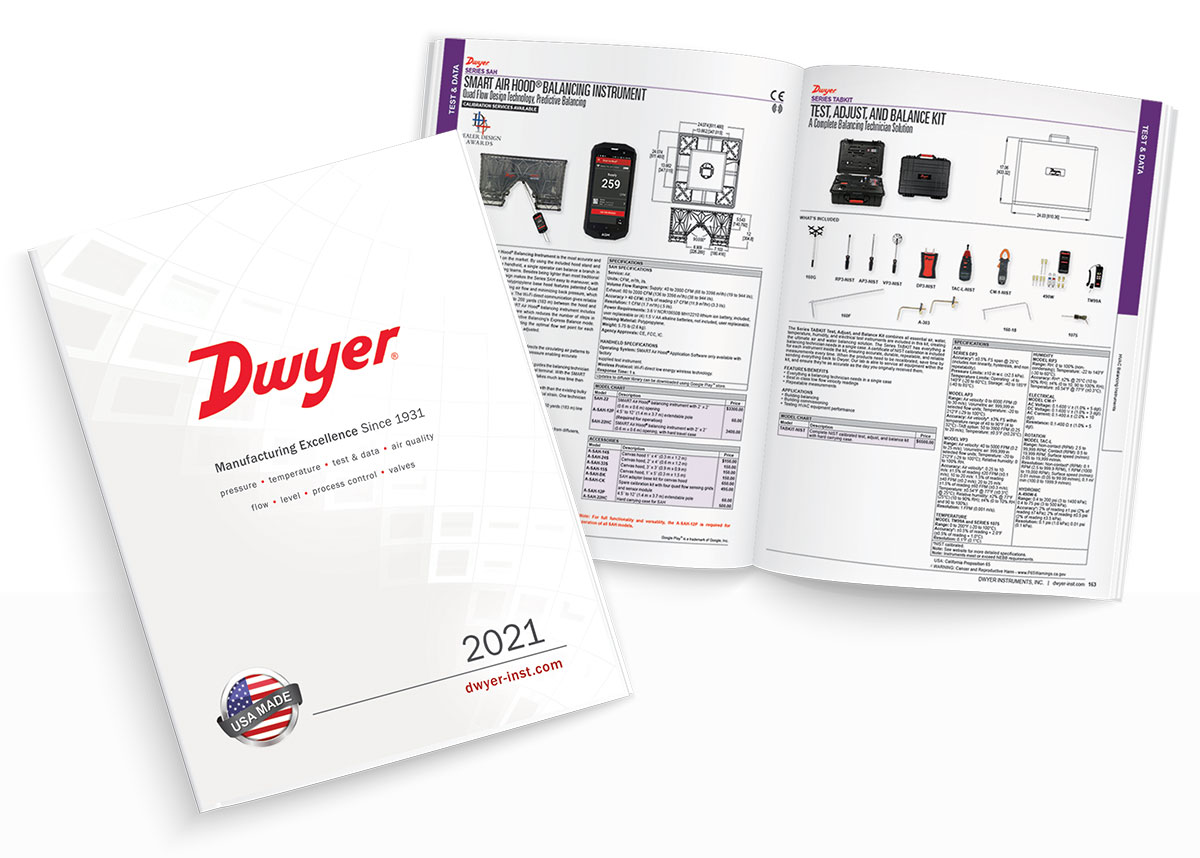
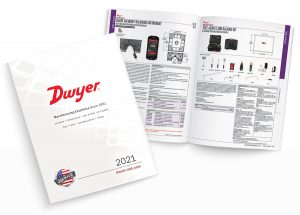 In this age of virtual meetings and online connections, to “Google” something has become synonymous with quickly looking up information. For some, bookshelves are more for decor than they are functional, and trends are leading to becoming more environmentally-friendly and saving paper. Print media is not necessarily “dead,” but it is becoming much less prevalent as we journey forward in this digital age.

 ASHRAE 62.1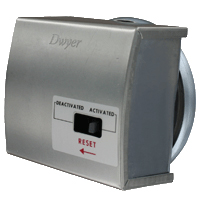
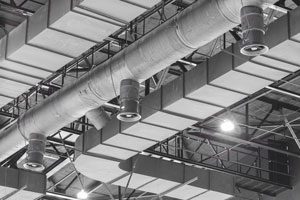 High duct-static pressure creates problems during a building fire when fire dampers close. Closed fire dampers cause downstream duct sensors to detect a drop in pressure. The duct pressure sensors in turn send signals to crank the air handler even faster to get back up to normal operation. Because the fire dampers are closed, when the air handler ramps up, the duct pressure upstream of the fire dampers will increase to a point where a high static pressure switch will cut power to the VFD (variable frequency drive) and send a signal to the DDC (direct digital control). Switches in this application — by specification — are all manual reset and require two outputs: one for cutting power to the VFD and one for sending the signal to the DDC.