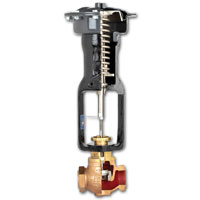
Control valves are used to change process conditions such as flow, temperature, level, and pH. A complete control system would include: a sensor, controller, positioner or current to pressure transducer, and control valve. Globe valves, such as the Dwyer Series 2000VA/ 3000WA Hi-Flow™ Control Valve, are a very common type of control valve.
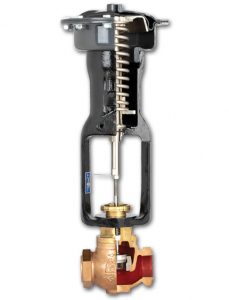
The Dwyer Hi-Flow™ Series control valves have pneumatic actuators that modulate the valve for flow control. The opening, closing and throttling of the valve plug is accomplished by varying the air pressure to the diaphragm in the actuator. Typically the control pressure signal is 3 to 15 psig. There are two types of actuators: Air-To-Lower and Air-To- Raise. Continue reading “Control Valve Actuator Sizing and Valve Action Selection”
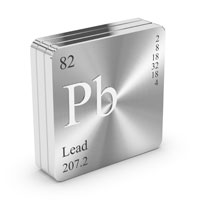
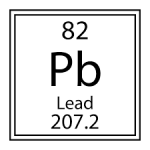 water meter for my home or business and am unfamiliar and unlicensed with those specific regulations, am I putting myself or my business at risk? Particularly something like lead, which according to the
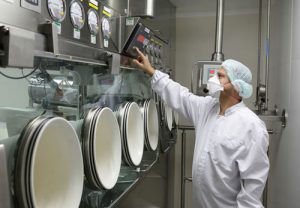 of the process, such as dust or vapors, can create conditions for a hazardous environment. Processes that have potential for hazardous environments include: water treatment, oil drilling, gas and chemical processing, power generation, pharmaceutical, and food manufacturing. The measurement and control of these processes are essential in maintaining optimal conditions of the manufacturing system and preventing catastrophic events.