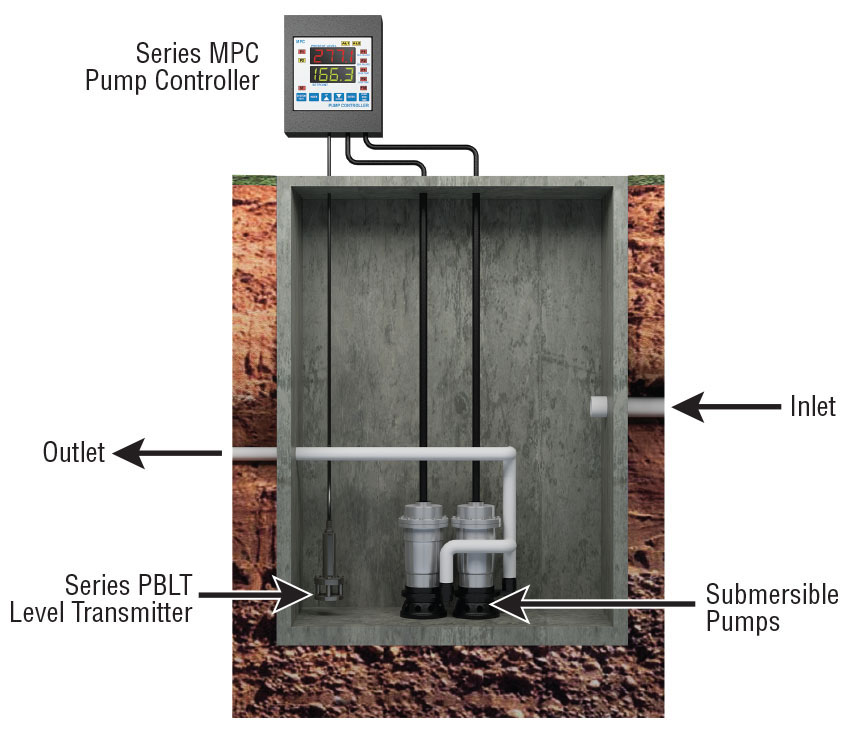
Lift stations are used to transmit wastewater to a treatment facility. In residential areas, lift stations may be located in a central point to a subdivision or community. Lift stations are pits located at points in the wastewater system to collect the wastewater and usually have two submersible pumps. In order to use gravity to move the wastewater along, it must be continually elevated to provide height to generate the flow. Wastewater in the lift station is pumped out to a higher level, from where it can flow on to the next lift station or to the treatment facility. As excavation and trenching for sewer pipes can be costly, using lift stations (and gravity) saves a substantial amount of money. Continue reading “Pump Controller with Level Transmitter Control Pumps in Wastewater Lift Stations”
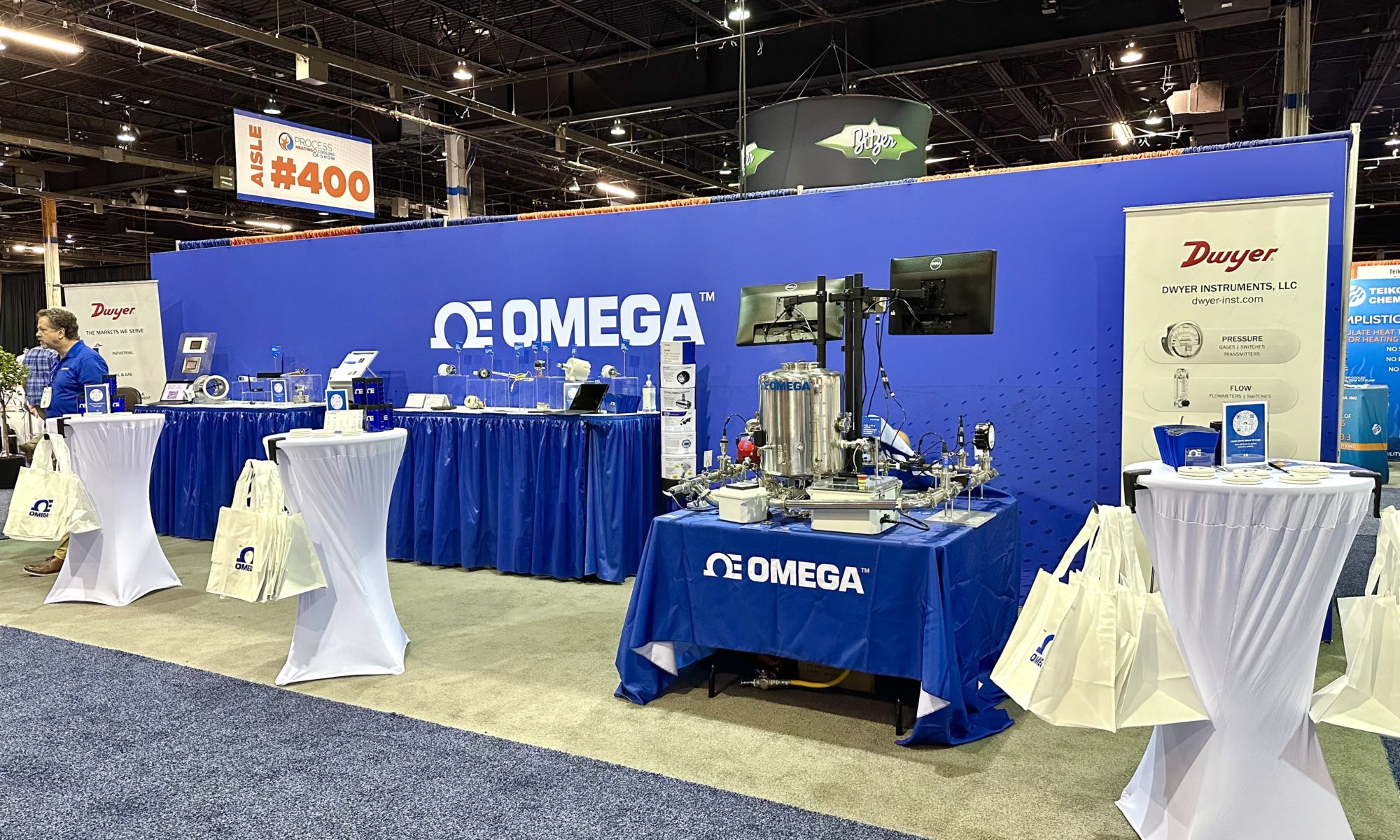
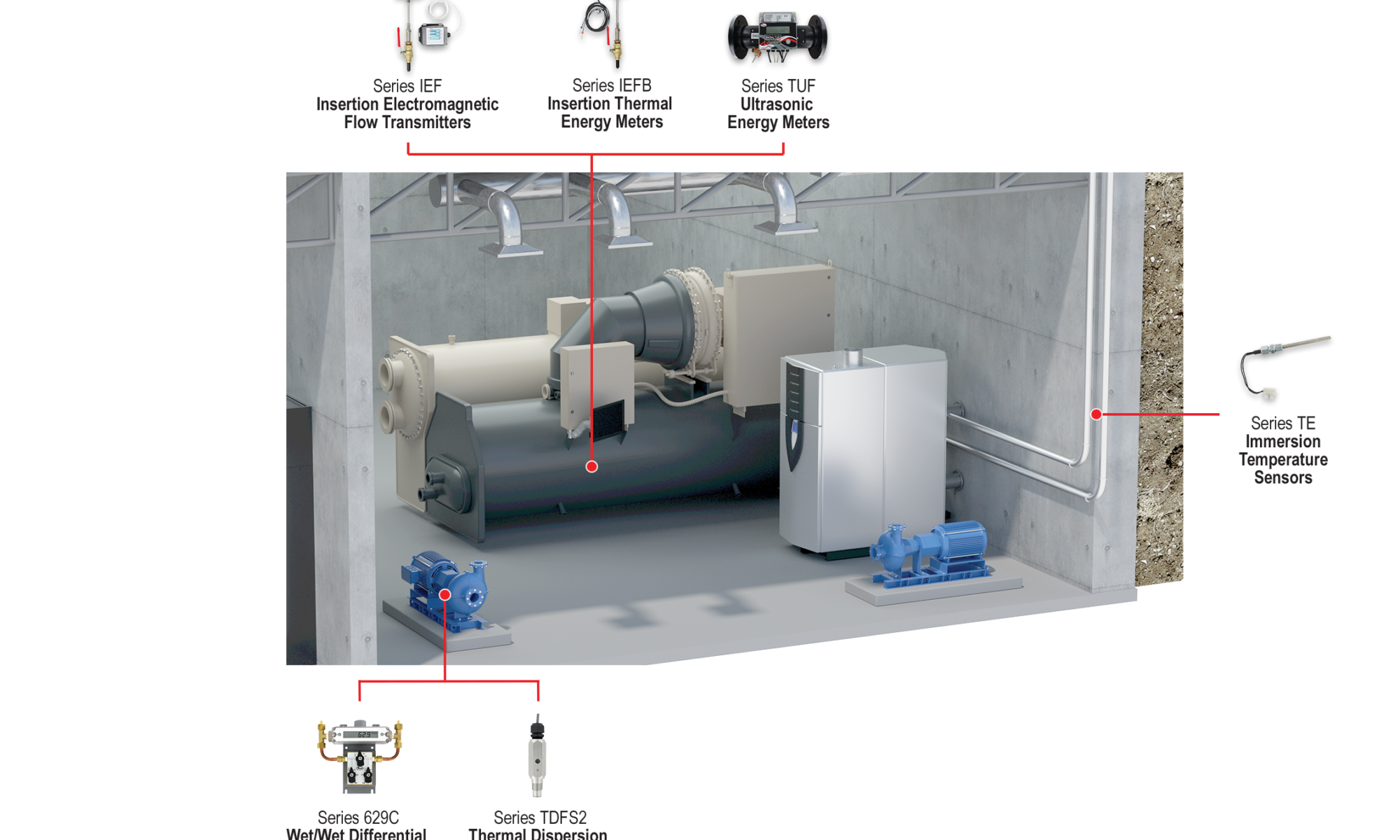
 We talk a lot on this blog about the importance of indoor air quality in schools to boost students’ well-being. Also important to the school building is ensuring that the building is energy efficient – the dollars saved by reducing energy consumption can be used to further improve school facilities and enhance students’ learning environments.
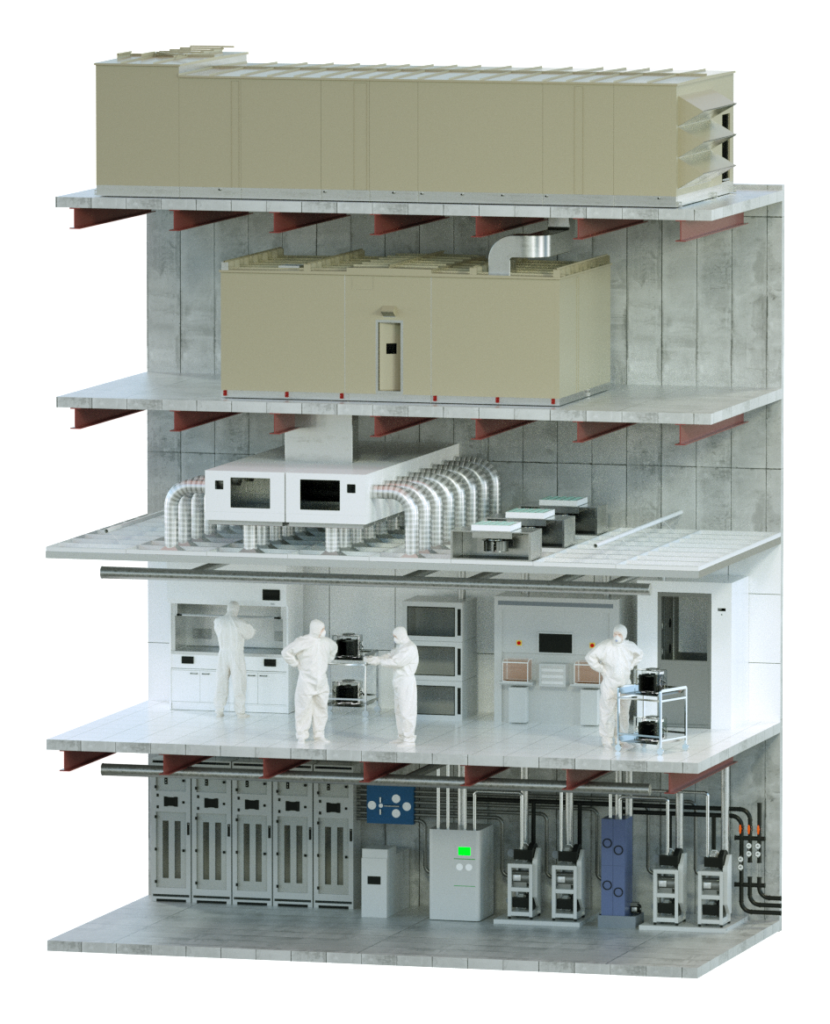
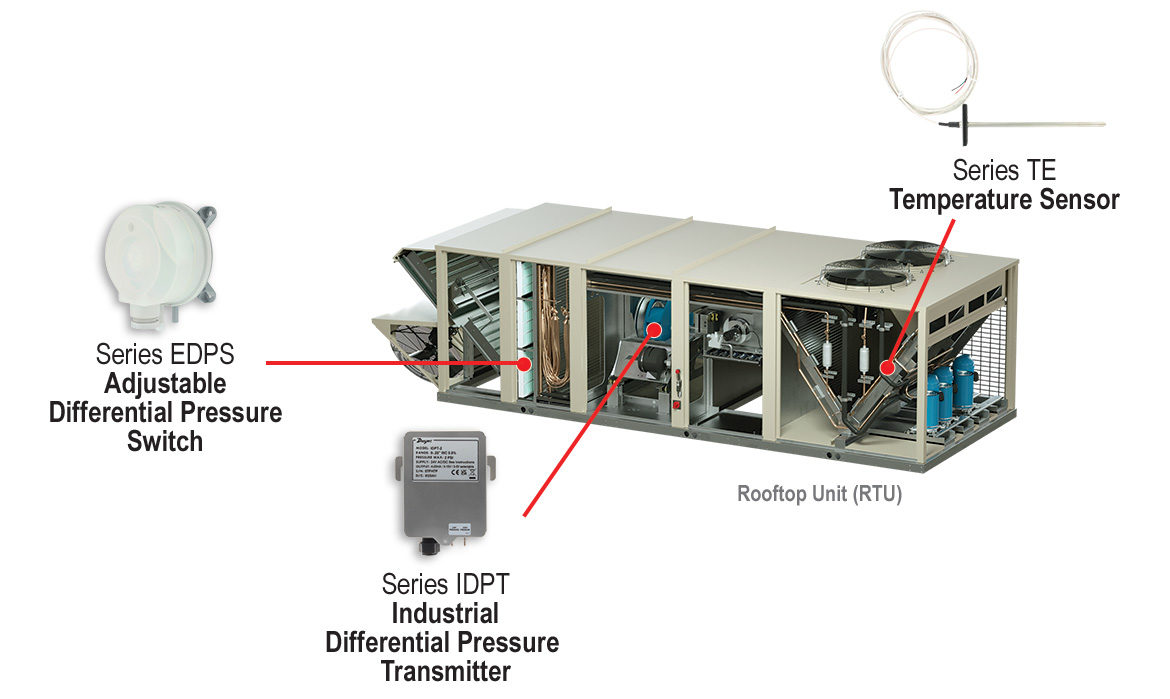
 The HVACR industry is evolving to create more energy efficient and sustainable ways to cool our homes and commercial buildings using eco-friendly refrigerants that are less damaging to the environment, but significantly more flammable than their predecessors. The UL standard 60335 aims to balance these greener refrigerants while still maintaining occupancy safety as it applies to “packaged air conditioners and heat pumps; partial units; liquid chillers and hydronic fan coil units; hot water heat pumps; dehumidifiers; supplemental heaters and equipment with flammable refrigerants