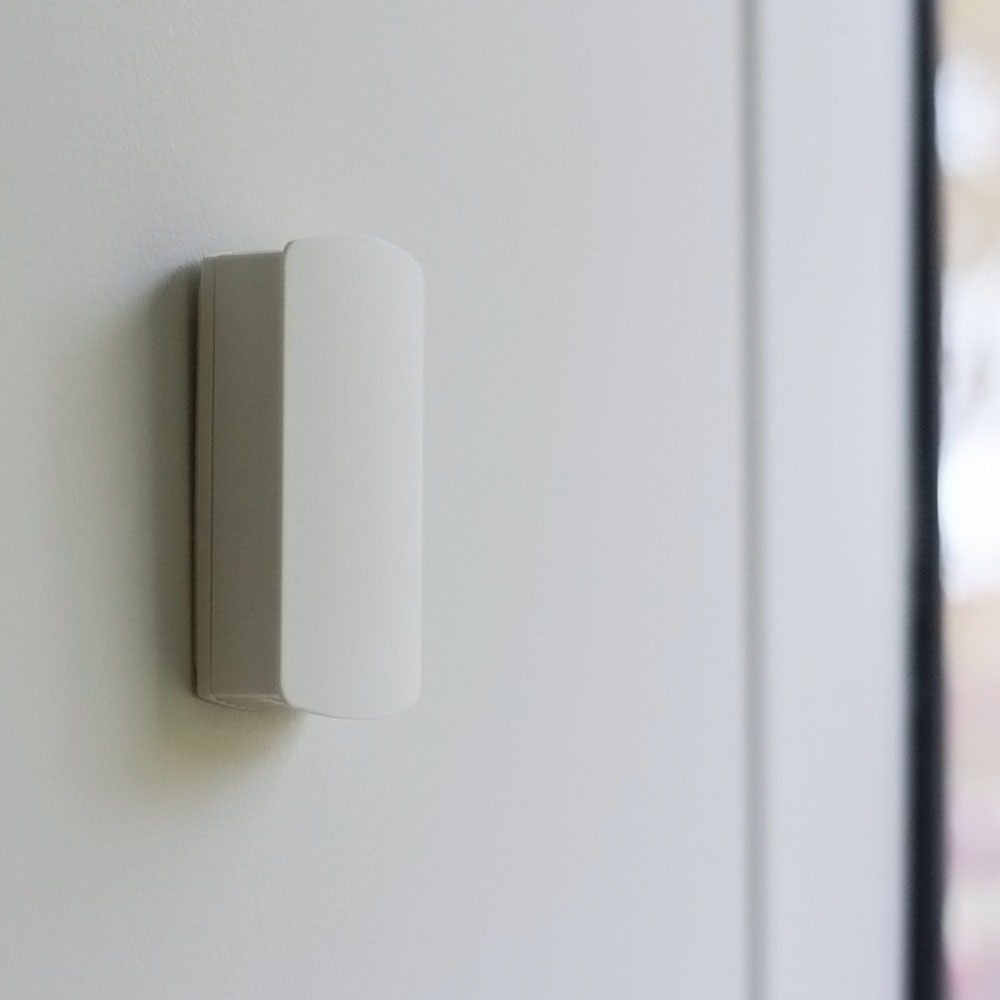
Proper selection and use of relative humidity (RH) sensors are important factors in designing and building a reliable, economical HVAC system. Over the years humidity control has been getting even greater attention because of its positive impact on indoor air quality (IAQ).

The importance of humidity measurement and control can mean different things depending on the application. To the museum curator, it means preserving valuable artwork and artifacts. To the hospital facilities engineer, it means a comfortable environment for the patients, as well as maintaining accurate moisture control to prevent the spread of bacteria and infection. And to the building maintenance professional, it means a reliable building automation system that reduces energy costs while increasing the comfort of its occupants. Continue reading “What to Consider When Selecting a Humidity Transmitter”

 This year’s focus was on how accreditation improves food safety, supporting the confidence of consumers, suppliers, purchasers, regulators and specifiers in the quality and safety of food [1]. When it comes to ensuring food safety, consumers and suppliers rely on their equipment and calibration providers to comply with the appropriate international standards, such as ISO/IEC 17025:2017.
  Attaining accreditation status to ISO/IEC 17025:2017 is a rigorous process that ensures that the technical competence of personnel, the ethics of personnel, and the reliability of the organization itself are at a level that can be recognized on an international scale. The